
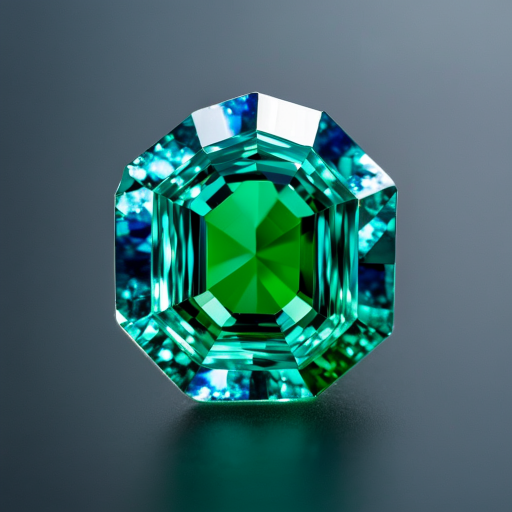
Choosing the right gemstone isn’t just about picking something that looks beautiful—it’s about finding a stone that aligns with your purpose, lifestyle, and personal taste. Whether you’re buying jewellery, investing, or simply drawn to the symbolism of gemstones, making the right choice requires a balance of knowledge and intuition.
1. Start with Your Purpose
Before you even look at colours or prices, ask yourself: Why am I buying this gemstone?
- Jewellery – durability and wearability matter most
- Investment – rarity, quality, and certification are key
- Healing or symbolism – focus on meaning and personal resonance
- Gifting – consider the recipient’s personality and birthstone
Your purpose will narrow down your options quickly and prevent impulse decisions.
2. Understand the “Big Four” Factors
Gemstones are typically evaluated using four main criteria:
Colour
Colour is the most important factor in most gemstones. Look for:
- Rich, vivid tones (not too dark or washed out)
- Even colour distribution
- Minimal zoning or patchiness
Clarity
Clarity refers to internal inclusions or imperfections.
- Some stones (like emeralds) naturally have inclusions
- Others (like diamonds) are more valuable when clearer
- Eye-clean stones (no visible flaws) are often ideal for jewellery
Cut
The cut affects how the stone reflects light.
- A well-cut gemstone will sparkle and appear lively
- Poor cuts make even high-quality stones look dull
Carat (Weight)
Bigger isn’t always better.
- A smaller, high-quality gemstone can be more valuable than a larger, lower-quality one
3. Match the Gemstone to Your Lifestyle
Not all gemstones are created equal in terms of durability.
- Hard stones (like sapphires and diamonds) are great for daily wear
- Softer stones (like opals or pearls) require more care
If you plan to wear your gemstone every day—especially in rings—choose something that can handle wear and tear.
4. Consider Symbolism and Meaning
Many people choose gemstones based on emotional or symbolic connections:
- Sapphire – wisdom and loyalty
- Ruby – passion and energy
- Emerald – growth and renewal
- Amethyst – calm and clarity
Even if you’re not spiritual, these meanings can add a personal layer to your choice.
5. Set a Realistic Budget
Gemstone prices vary dramatically depending on rarity and quality.
- Decide your budget early
- Prioritise what matters most (size vs quality vs type)
- Be open to alternatives (e.g., spinel instead of ruby, or tourmaline instead of emerald)
A smart buyer focuses on value—not just price.
6. Always Ask for Certification
For higher-value purchases, especially diamonds or rare gemstones:
- Request certification from reputable gemological labs
- Ensure details like origin, treatment, and authenticity are documented
This protects you from overpaying or buying synthetic or treated stones unknowingly.
7. Check for Treatments
Many gemstones are treated to enhance colour or clarity.
Common treatments include:
- Heat treatment
- Dyeing
- Fracture filling
These aren’t necessarily bad—but they should always be disclosed, as they affect value and durability.
8. Trust Your Eye (and Instinct)
At the end of the day, the “right” gemstone is one you’re drawn to.
Two stones may have identical specifications—but one will simply feel right. That personal connection is often what makes a gemstone truly special.
Final Thoughts
Choosing the right gemstone is a mix of science, style, and instinct. By understanding quality factors, aligning with your purpose, and considering durability and meaning, you can make a confident and informed decision.
Whether you’re investing, collecting, or buying your first piece of jewellery, the best gemstone is one that not only looks beautiful—but feels right for you.





Recent Comments