
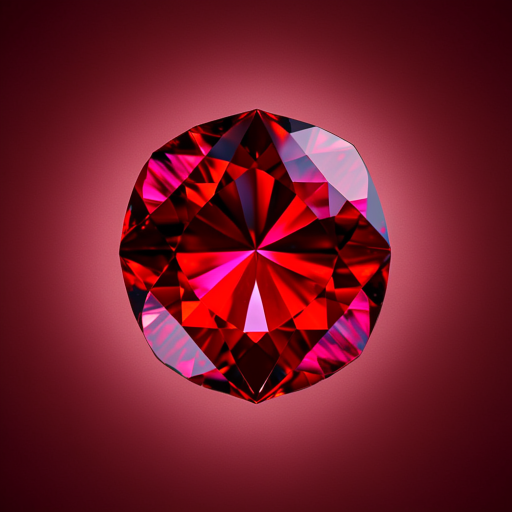
Gemstones are often seen as beautiful collectibles or jewellery pieces, but they’re also sometimes considered alternative investments. Unlike stocks or property, gemstone value is influenced by rarity, quality, demand, and market trends. Understanding which stones hold value—and which don’t—is essential before treating gemstones as an investment.
1. Understand What Actually Drives Value
Gemstone prices are not random. They are shaped by a few key factors:
- Rarity – how scarce the stone is in nature
- Quality – colour, clarity, cut, and size
- Demand – fashion trends and cultural preferences
- Origin – some locations command premium pricing
- Treatment status – untreated stones are usually more valuable
Even small differences in quality can create large price gaps.
2. The “Investment Grade” Gemstones
Some gemstones have historically shown stronger value retention:
Diamonds (High Quality Only)
- Best performers are large, colourless, high-clarity stones
- Poor-quality diamonds tend to depreciate significantly
- Certification is essential for resale value
Ruby
- High-quality natural rubies are extremely rare
- “Pigeon blood” rubies are especially valuable
- Untreated stones command premium prices
Sapphire
- Blue sapphires (especially Kashmir origin) are highly sought after
- Strong durability supports long-term wear and value
Emerald
- Fine emeralds with deep green colour can be very valuable
- However, most emeralds are treated, which affects value
3. Emerging and Underrated Stones
Some gemstones are gaining attention but remain more volatile:
- Spinel – often mistaken for ruby or sapphire, increasingly popular
- Tsavorite Garnet – vivid green alternative to emerald
- Paraiba Tourmaline – extremely rare neon-blue stone with high demand
- Alexandrite – colour-changing rarity with strong collector interest
These can appreciate, but markets are smaller and less stable.
4. What Usually Doesn’t Hold Investment Value
Not all gemstones are good investments.
- Low-grade or heavily treated stones
- Mass-produced commercial gemstones
- Fashion-driven stones without rarity backing
- Synthetic or lab-grown stones (value is typically lower resale-wise)
These are better viewed as decorative or jewellery purchases.
5. Natural vs Treated vs Lab-Grown
This distinction is critical:
- Natural untreated – highest long-term value potential
- Treated natural stones – moderate value, depends on treatment type
- Lab-grown stones – visually identical but usually significantly lower resale value
Always confirm treatment status before purchasing.
6. Liquidity Matters (Not Just Value)
Even valuable gemstones can be difficult to sell.
Ask:
- Is there an active resale market for this stone?
- How easy is it to verify authenticity for buyers?
- Are there trusted dealers who trade it?
High-value doesn’t always mean easy-to-sell.
7. Certification is Non-Negotiable
For investment purposes:
- Always require independent certification
- Use recognised gem labs (not in-house certificates)
- Ensure details include treatments and origin if possible
Without certification, resale value drops significantly.
8. A Balanced Approach to “Investment” Gems
A smart strategy often combines:
- One or two high-value stones (for long-term holding)
- A few mid-tier gemstones with aesthetic value
- Jewellery pieces you can actually wear and enjoy
This balances financial potential with personal use.
Final Thoughts
Gemstones can be a store of value, but they are not guaranteed investments like traditional financial assets. The best approach is to focus on rarity, quality, and certification—while also appreciating their beauty.
In most cases, the “best investment gemstone” is one that you would be happy to own even if market prices never changed.





Recent Comments