
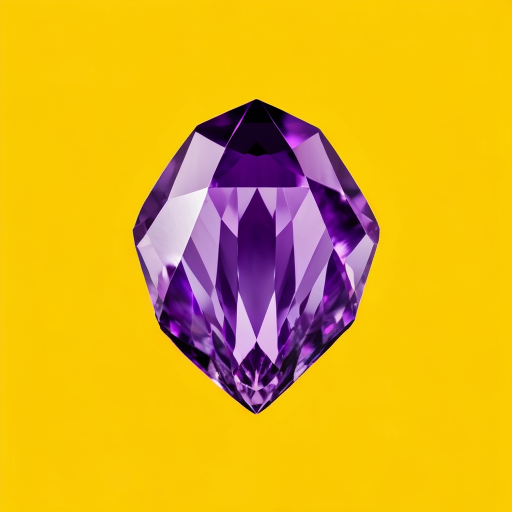
Buying gemstones can be exciting—but also risky. With lab-created stones, treated gems, and convincing imitations on the market, it’s not always easy to know what’s real and what isn’t. The good news is that you don’t need to be a gemologist to protect yourself. You just need to know what to look for.
1. Start with Certification
The simplest way to confirm authenticity is through certification.
- Look for reports from recognised gemological labs
- Certificates should include stone type, treatments, and origin (if applicable)
- Be cautious if a seller refuses to provide documentation
No certificate doesn’t automatically mean fake—but it does mean higher risk.
2. Check for Natural Imperfections
Most natural gemstones are not perfect.
- Tiny inclusions (internal features) are normal
- Flawless stones at low prices are a red flag
- Use a magnifying glass or jeweller’s loupe to inspect the stone
If it looks “too perfect,” it often is.
3. Examine Colour Consistency
Colour can reveal a lot about authenticity.
- Natural stones usually have slight variations in tone
- Dyed or synthetic stones may look overly uniform or artificially bright
- Look for colour zoning (uneven patches), which is common in natural gems
4. Test Hardness (Carefully)
Different gemstones have different hardness levels.
- Diamonds and sapphires are very hard and resist scratching
- Softer stones like opals or pearls can be easily damaged
- Be cautious—never scratch a gemstone unless guided by a professional
Hardness testing is more about identifying inconsistencies than “proving” authenticity.
5. Look at Light Performance
Real gemstones interact with light in complex ways.
- Natural stones often show depth, sparkle variation, and internal reflection
- Glass imitations tend to look flat or overly “glassy”
- Synthetic stones may appear too perfect in brilliance
Rotate the stone under light and observe how it behaves from different angles.
6. Be Aware of Common Fakes
Some of the most commonly substituted materials include:
- Glass sold as emerald, ruby, or sapphire
- Cubic zirconia used as a diamond substitute
- Dyed quartz mimicking high-value gemstones
Knowing these helps you ask the right questions.
7. Ask About Treatments
Not all enhancements are bad—but they must be disclosed.
Common treatments include:
- Heat treatment (very common in sapphires and rubies)
- Fracture filling (used to improve clarity)
- Dyeing (used in lower-value stones)
A treated stone is still real—but its value and durability may differ.
8. Buy from Reputable Sellers
Where you buy matters as much as what you buy.
- Established jewellers are generally safer than unknown online sellers
- Look for reviews, history, and transparency
- Avoid deals that seem significantly below market value
If it feels like “too good of a deal,” it usually is.
Final Thoughts
Spotting real gemstones from fakes is about combining observation, documentation, and trusted sourcing. While no single test is perfect, using a checklist approach dramatically reduces your risk.
When in doubt, always prioritise certification and reputable sellers over assumptions—because in gemstones, confidence comes from verification, not guesswork.





Recent Comments